
How to Diagnose Common Transmission Problems: A DIY Guide


Understanding Transmission Problems
Your vehicle's transmission is a complex system vital to its performance. When issues arise, they can affect your car's overall function. Diagnosing these problems early can save you from costly repairs. This DIY guide will help you identify common transmission issues and offer steps to address them.
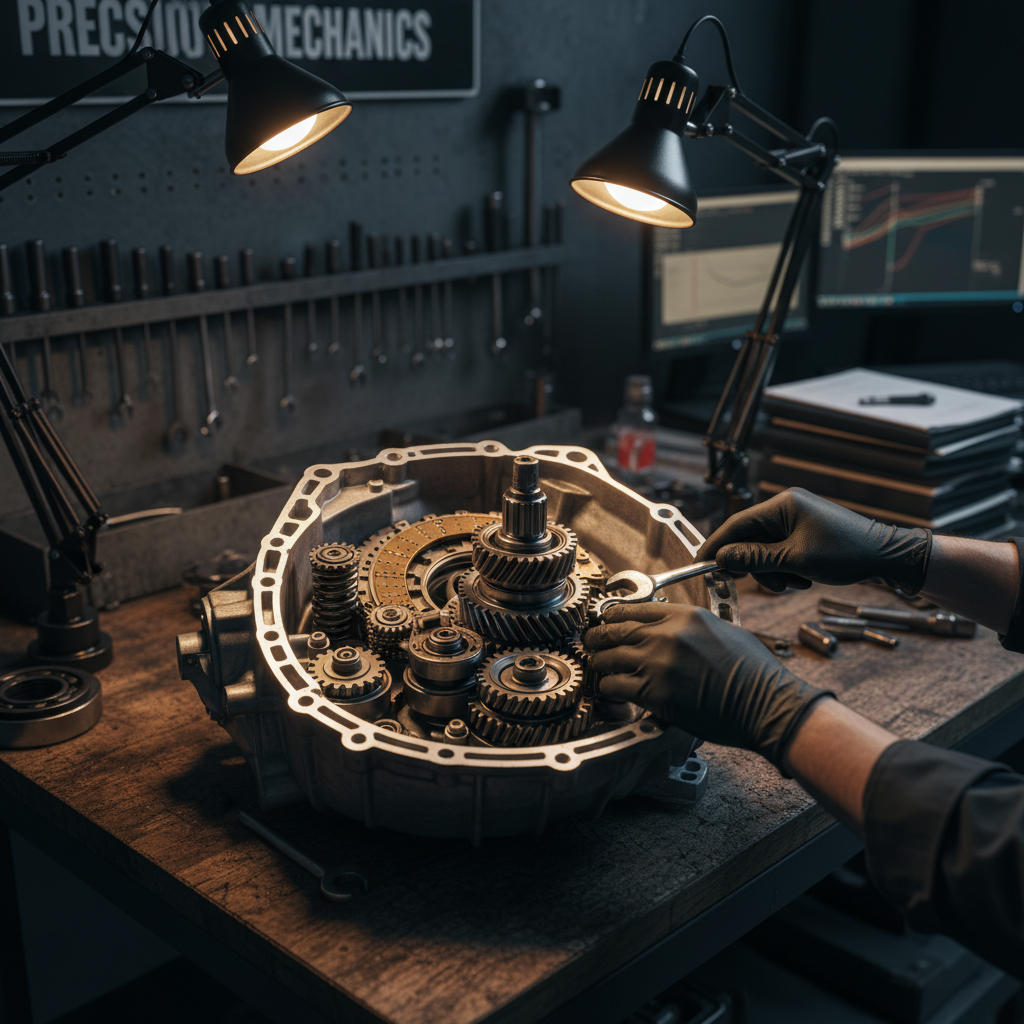
Recognizing the Symptoms
Being aware of the symptoms of transmission problems is crucial. Common signs include unusual noises, delayed shifting, and leaking fluid. If you notice any of these, it's time to investigate further.
- Unusual Noises: Grinding or whining sounds could indicate transmission trouble.
- Delayed Shifting: If your car hesitates or struggles to change gears, there might be an issue.
- Fluid Leaks: Transmission fluid leaks are often a sign of a problem that needs addressing.
Checking Transmission Fluid
Transmission fluid plays a key role in the operation of your transmission. Low or dirty fluid can lead to significant problems. To check the fluid:
- Locate the transmission fluid dipstick, usually found near the engine.
- Pull out the dipstick and wipe it clean.
- Reinsert the dipstick, then remove it again to check the fluid level and color.

Tip: Healthy transmission fluid should be a bright red and have a sweet smell. If it's dark or has a burnt odor, consider a fluid change.
Inspecting for Leaks
Leaks are a common cause of transmission problems. Inspect the ground where your car is parked for any signs of fluid. Transmission fluid is typically red or brown, depending on its age.
To identify the source of a leak, check the transmission pan, fluid lines, and seals. If you find a leak, determining its origin will help you decide whether you can fix it yourself or need professional help.
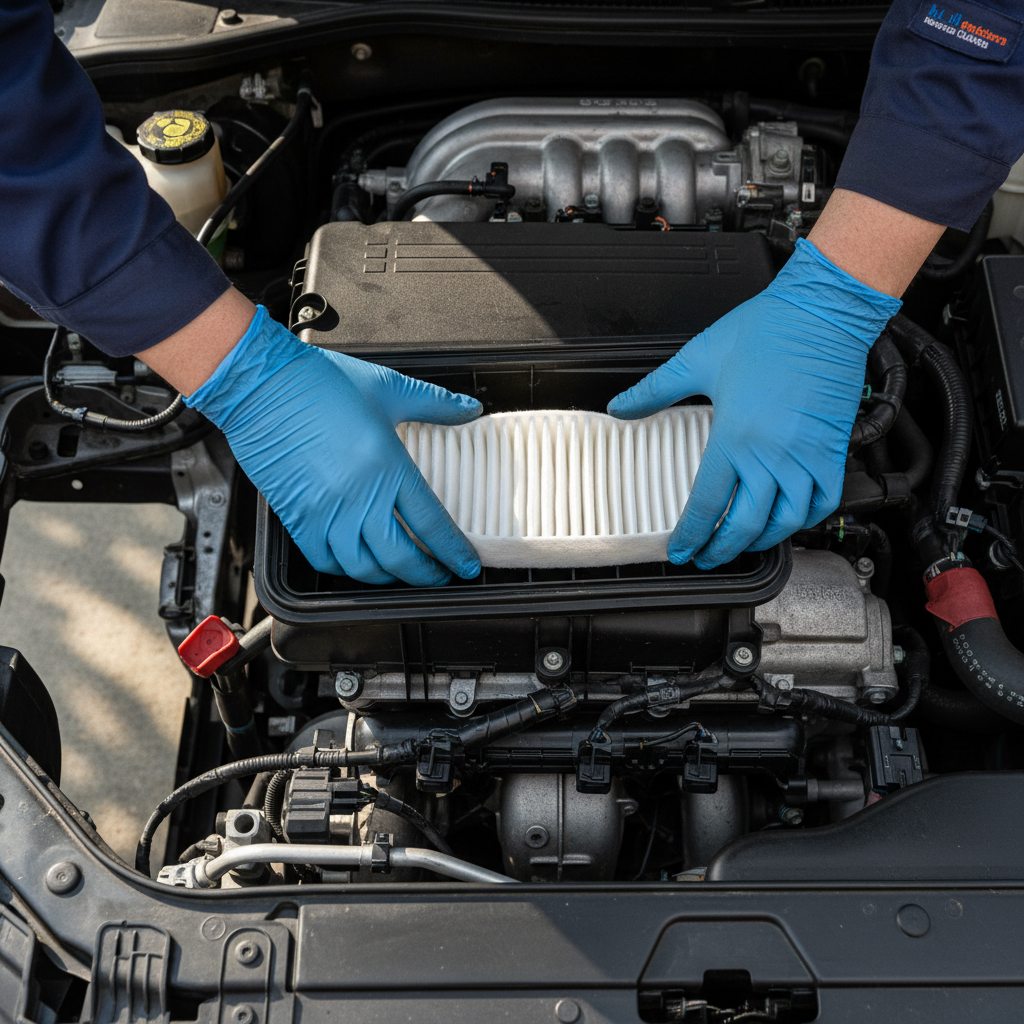
Testing Transmission Performance
Testing your transmission's performance can help pinpoint issues. Take your car for a drive and pay attention to how it shifts through the gears. Note any delays, slipping, or rough transitions.
If problems persist, consider a diagnostic scan. Many auto parts stores offer free scanning services, allowing you to check for error codes related to transmission issues.
When to Seek Professional Help
While some transmission problems can be handled at home, others require professional intervention. If you're unsure about the severity of the issue or if DIY methods haven't resolved the problem, consult a mechanic. Ignoring transmission issues can lead to more extensive damage and costly repairs.
Remember, early diagnosis is key to maintaining your vehicle's health. By staying vigilant and addressing transmission problems promptly, you can ensure a smoother, longer-lasting ride.