
Comprehensive Guide to Car Electrical Repairs in the USA


Understanding Car Electrical Systems
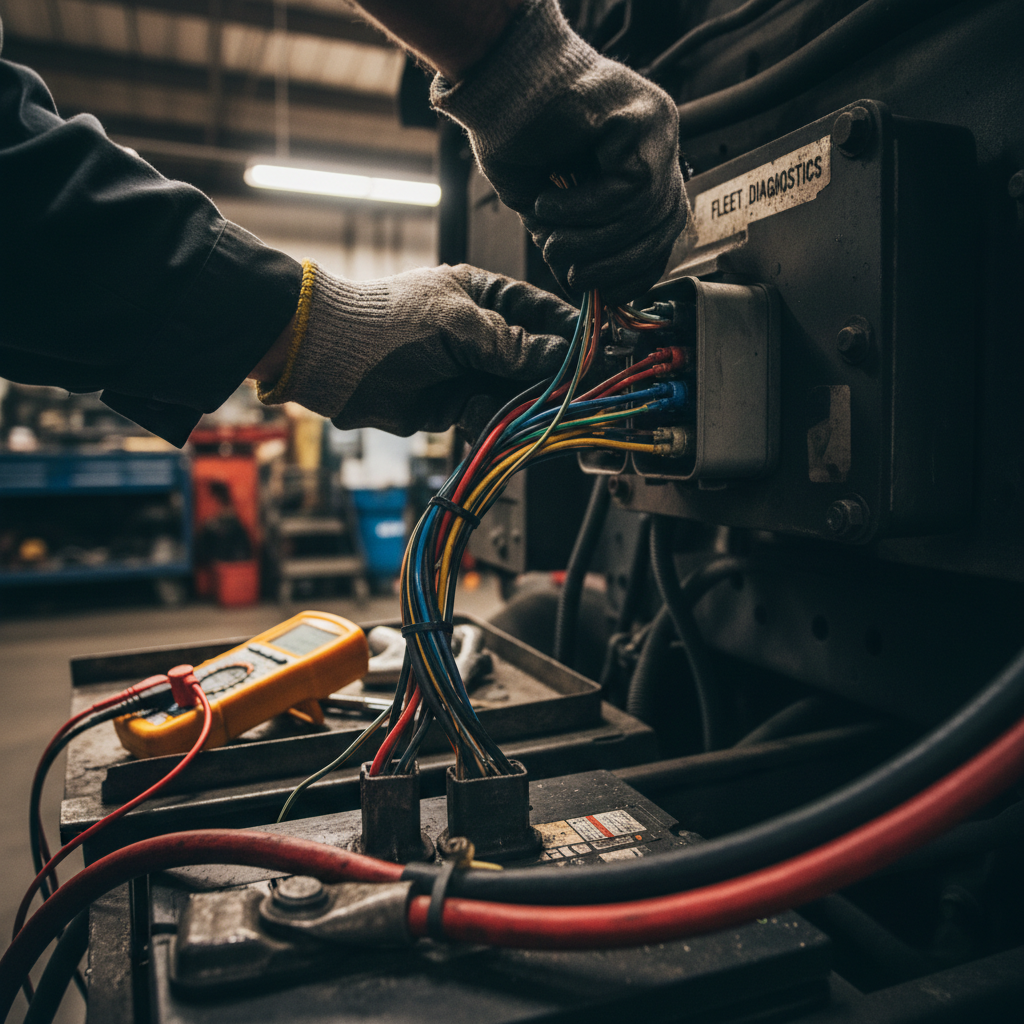
Car electrical systems are complex networks that control everything from the ignition to the lights. Understanding these systems is crucial for diagnosing and repairing issues. The main components include the battery, alternator, starter, and various wiring. Each of these plays a vital role in ensuring your car runs smoothly.
Common Electrical Problems
Battery Issues
The battery is often the first suspect when electrical problems arise. Common issues include corroded terminals, dead cells, or simply an old battery. Regular maintenance and testing can help prevent these problems.
Alternator Failures
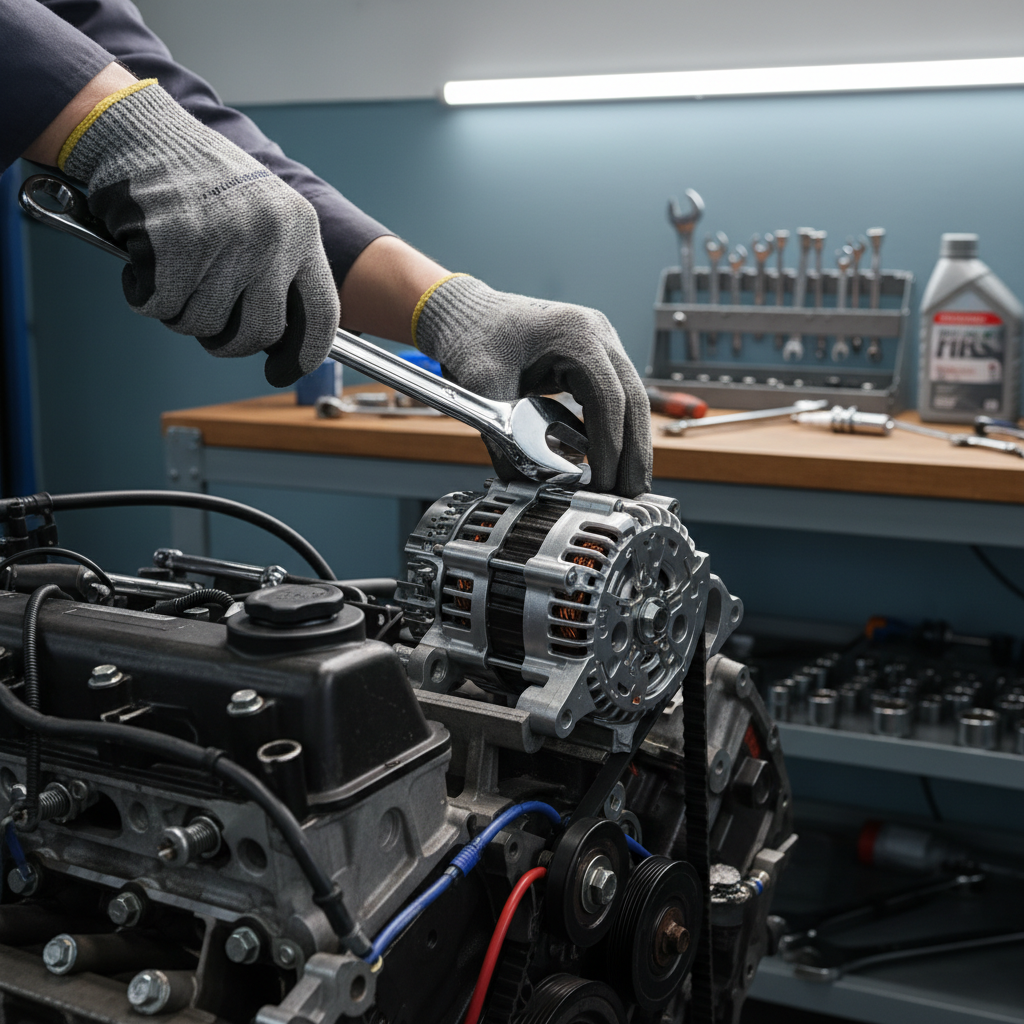
The alternator charges the battery while the car is running and powers the electrical system. Signs of alternator failure include dimming lights, a dead battery, or warning lights on the dashboard. Timely replacement can prevent more serious issues.
Troubleshooting Electrical Problems
Troubleshooting car electrical problems requires a systematic approach. Start by checking the battery and alternator, then move on to fuses and wiring. Use a multimeter to test for voltage drops and continuity in circuits. This will help pinpoint the problem area.
Using Diagnostic Tools
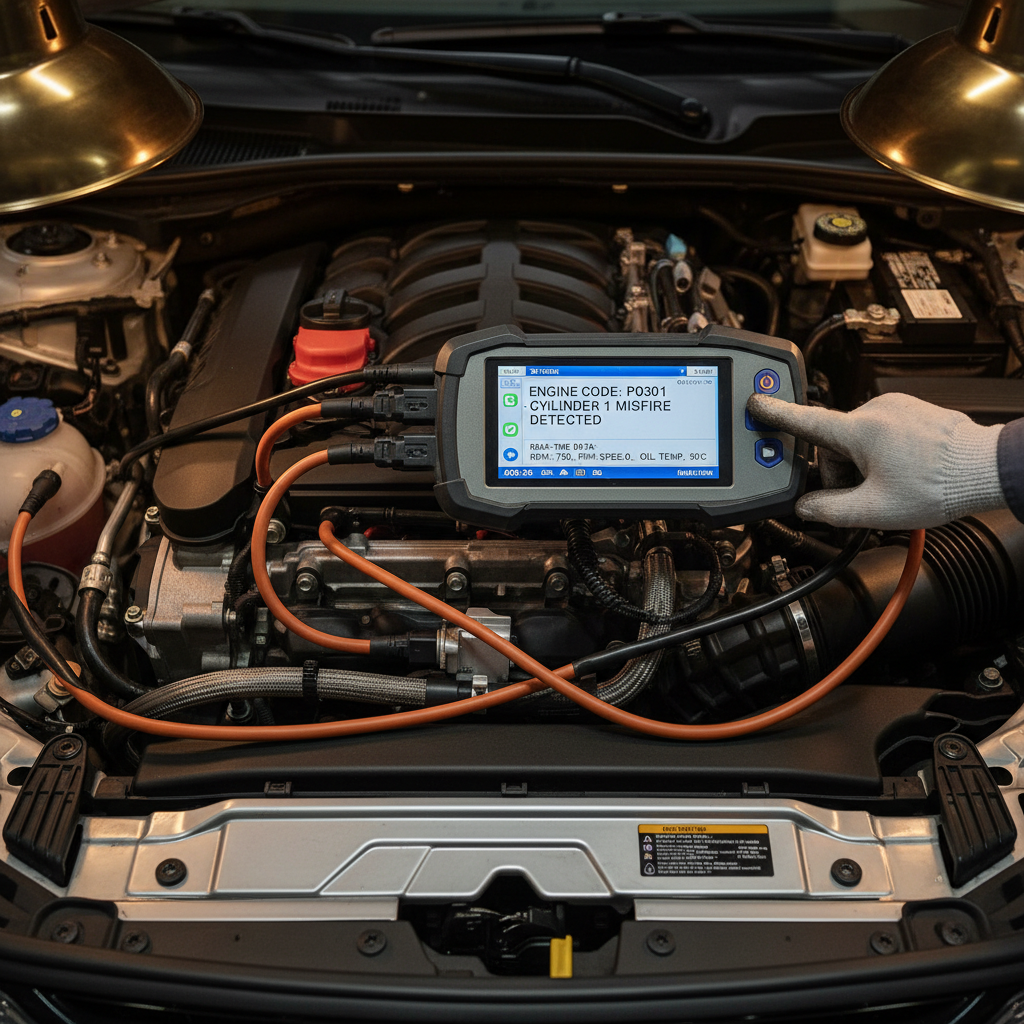
Modern cars are equipped with onboard diagnostics (OBD) that can be accessed using a scanner. This tool provides error codes that can help identify specific electrical issues. Familiarizing yourself with these codes can save time and effort.
DIY vs. Professional Repairs
While some car electrical repairs can be done at home, others require professional expertise. Simple tasks like changing a battery or replacing fuses can be DIY projects. However, complex issues like rewiring or alternator replacements are best left to professionals.
- DIY Repairs: Battery replacement, fuse changes, bulb replacements.
- Professional Repairs: Wiring issues, alternator problems, complex diagnostics.
Preventive Maintenance
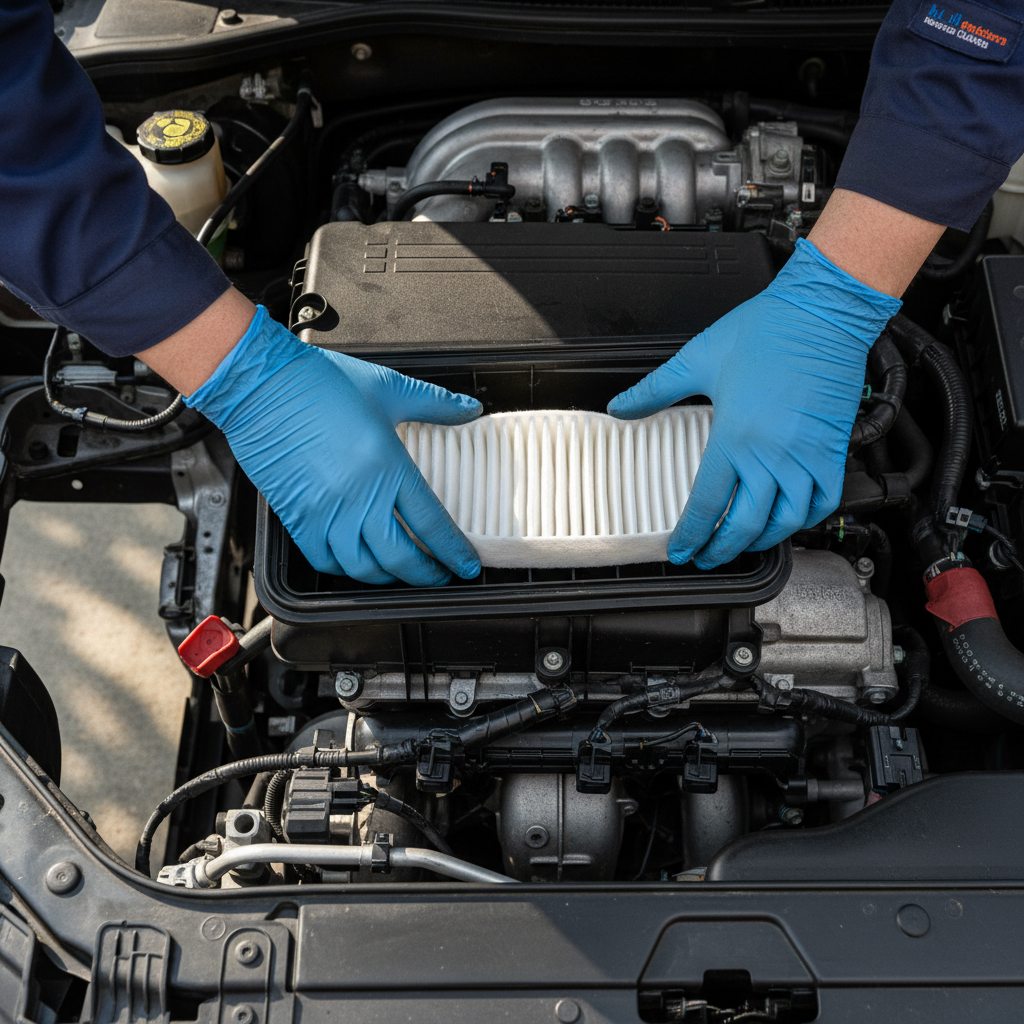
Regular maintenance is key to preventing electrical problems. This includes checking battery terminals for corrosion, ensuring tight connections, and regularly testing the battery and alternator. Keeping an eye on dashboard warning lights can also help detect issues early.
Conclusion
Car electrical repairs can range from simple fixes to complex diagnostics. Understanding the basics of your car's electrical system and recognizing common issues can empower you to handle minor repairs and know when to seek professional help. Regular maintenance and timely interventions can greatly enhance the longevity and reliability of your vehicle's electrical system.